
Search Your Questions
Queries Here
When should I get physio consultation?
If you have an injury, an accident, or experience chronic (long-lasting) pain which limits your quality of life, it’s a good idea to seek out a Physiotherapist. Physiotherapy includes an assessment and treatment plan. This will focus on the cause of injury and your signs and symptoms. Physiotherapy treatment will be tailored based on the diagnosis, stage of your injury and level of pain, swelling, and dysfunction. Early treatment will focus on treatment to decrease your symptoms and gradually advance to manual therapy and rehabilitation.
How long am I going to need treatment?
Injuries can be caused by an external force , or a fall as well as by internal repetitive forces like prolonged typing or by lifting a heavyweight. If treatment is implemented early to decrease pain, swelling, and improve joint range, muscle strength and function the sooner healing will take place.
What issues can physiotherapy treat?
Experienced physiotherapists can help with many physical problems such as: Neuromusculoskeletal issues such as back and neck pain; joint issues such as pain or loss of mobility (e.g. arthritis); tendinitis or repetitive strain; pelvic weakness (e.g. post childbirth) Neurological issues like Parkinson’s, to Multiple Sclerosis, stroke, and more Cardiovascular issues including post heart attack Respiratory issues such as breathing difficulty, cystic fibrosis, long COVID, COPD, etc. Post surgery rehabilitation and pain management Improving muscle coordination in cerebral palsy.
What are the benefits of Dry Needling?
Dry needling is a technique that can help you feel better by reducing pain and spasm.
What are some of our products used for? What is the advantage of buying products from your Physio Clinic?
Our products are selected specifically to assist the rate and quality of healing of your injury. The advantage we provide is that we demonstrate the use and correct you doing the actual exercise. We will also provide you with a computerized picture or video graphic to guide you when you doing the movement at home. The products are best suited for your injury as they are assessed by your physiotherapist. Some useful products include: A Swiss ball, for balance and coordination exercises Shoulder Pulleys can help to improve shoulder mobility with a frozen shoulder TheraBand with or without handles; for example, to strengthen the rotator cuff. Different braces and splints For a short-list of useful products, please visit our clinic.
What physiotherapy techniques can I expect?
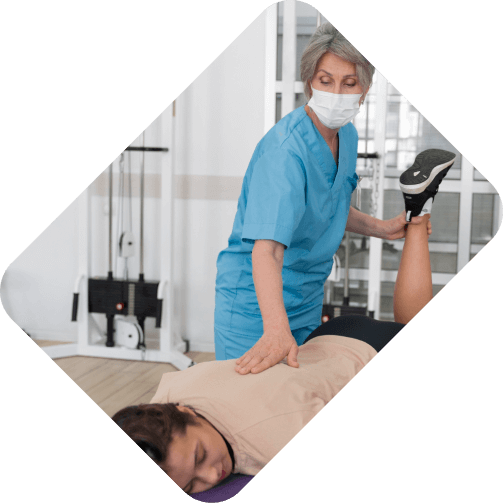
The technique(s) your therapist chooses will depend on your injury, pain and mobility. Physiotherapy techniques include: Functional testing: to see your range of movement, strength, and ability to perform basic tasks (I.e squat, balance) Manual manipulation: moving parts of the body to relax muscles, improve range of movement, improve circulation or drain fluids Passive pain modalities: machines that can potential help reduce pain and speed recovery Warm/cold therapy: to reduce pain and swelling Dry needling: acupuncture or intramuscular stimulation (IMS) to stimulate the nervous system and improve pain Therapeutic exercise
What are the benefits of home based Physiotherapy?
One of the most significant aspects of home based physiotherapy is the convenience it offers. You do not need to worry about the stress of commuting to the clinic or waiting for their turn. Your physiotherapist comes to your home at a time that suits you. This makes it especially beneficial for patients when they are older or have mobility issues or had any recent surgeries.
What is the role of Physiotherapy in Post-Surgical Recovery?
After surgery, healing is a big part of getting back to normal. Physiotherapy can play a key role in this process. It helps improve movement and strength, making sure that your recovery is as smooth and effective as possible.